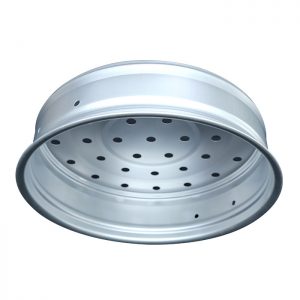
Al Steamer
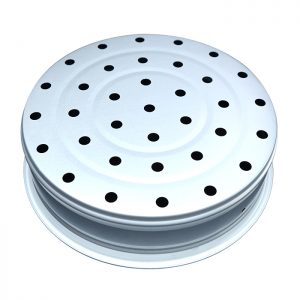
Upgrade your cooking experience with our durable and efficient aluminum steamer. Made from high-quality, heat-conductive aluminum, our steamer allows for fast and even cooking of your favorite foods.
Showing 33–48 of 548 results
Upgrade your cooking experience with our durable and efficient aluminum steamer. Made from high-quality, heat-conductive aluminum, our steamer allows for fast and even cooking of your favorite foods.
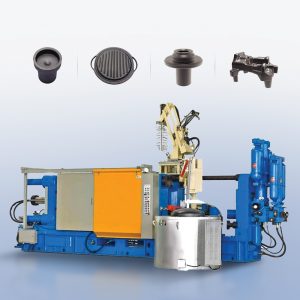
Die casting of aluminum is a manufacturing process used to produce high volume, complex-shaped metal parts made from aluminum alloys ADC 12. In this process, molten aluminum is injected under high pressure into a steel mold, or die, which has been designed to produce the desired shape of the final product.
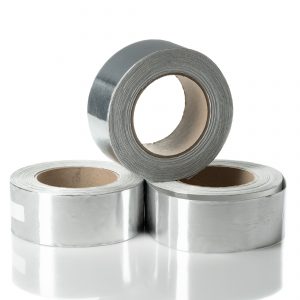
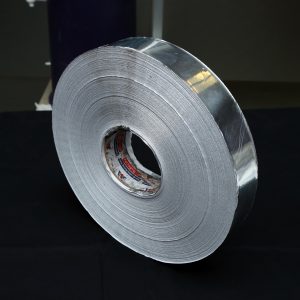
Aluminum foil tapes are often used to seal, repair, insulate and protect the joints of fiberglass or aluminum backed duct board, in the HVAC sector to eliminate air leaks in air conditioning and ducting systems and for refrigerator evaporator & condenser taping.
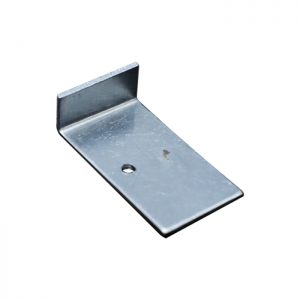
Its high thermal conductivity, coupled with comparatively low cost and ease of working, makes aluminium the metal of preference wherever heating or cooling is required.
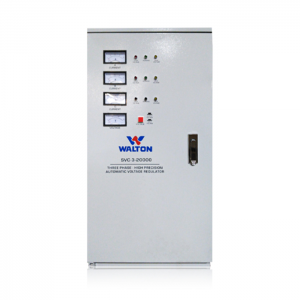
1. Input Voltage Range 210V-250V
2. Input Voltage Three Phase AC 240V-450V
3. Output Voltage Three Phase 380V±1.5% or 3.5%
4. Frequency 50-60Hz
5. Delay 3 Second
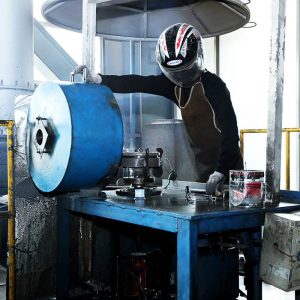
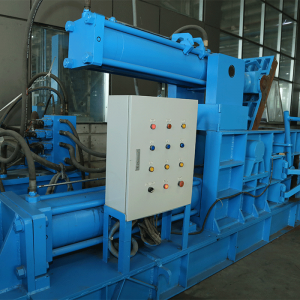
It is a machine made up of mechanical and hydraulic system, the machine is used for making blogs by making something complete and suitable for keeping in a small space. The high compression system means that the machine is kept with the option of manual operation only.
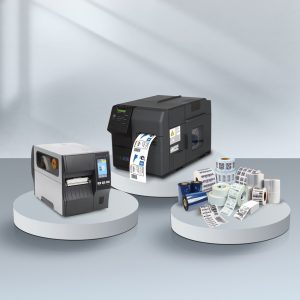
Barcode is a visual representation of data that consists of a series of parallel lines and spaces of varying widths. It is used to encode information about a product or item in a machine-readable format. The barcode is scanned using a barcode scanner or a smartphone with a barcode scanning app, which translates the pattern of lines and spaces into readable data. Barcodes are widely used in various industries, such as retail, manufacturing, logistics, healthcare, and more. They serve multiple purposes, including product identification, inventory management, pricing, and tracking. By scanning a barcode, the encoded data can be quickly and accurately captured, allowing businesses to streamline processes, reduce errors, and improve efficiency. Barcode labels manufacturing industry plays a crucial role in various sectors and offers several benefits. Full product tracking system, Efficient inventory management, Enhanced productivity, Improved accuracy and reliability, Faster checkouts and reduced queuing times, Enhanced supply chain visibility, Accurate pricing and promotions, Counterfeit prevention, Streamlined data collection and analysis, These advantages contribute to operational efficiency, cost savings, and improved customer satisfaction across various industries.
A barcode system is a method of representing data in a visual format that can be easily scanned and interpreted by a barcode reader or scanner. It is widely used in various industries, such as retail, logistics, inventory management, and healthcare, to efficiently track and manage products, assets, and information. Barcodes consist of a series of parallel lines, typically black bars on a white background, with numbers or characters printed beneath them. The lines and spaces between them encode specific data, such as product codes, prices, or other identifying information. When a barcode is scanned using a barcode reader or scanner, the device emits a beam of light that reflects off the barcode. The scanner detects the reflected light, interprets the pattern of the lines and spaces, and decodes the data encoded in the barcode. This data is then sent to a connected computer or system for further processing, such as updating inventory records or retrieving product information. Barcodes offer several advantages over manual data entry or other identification methods. They are fast, accurate, and can be easily printed and applied to various surfaces, such as product packaging or labels. By automating data capture, barcode systems help reduce errors, improve efficiency, and streamline processes in many industries. They have become an integral part of supply chains, enabling effective tracking, inventory management, and point-of-sale transactions.